
Connie and Mellors’s Unequal Freedom
Lady Chatterley's LoverThis flow traces the lovers’ struggle to make a relationship across class and economic differences without turning tenderness into dependency.
increasing Bearing strength in each event
 decreasing
Bearing strength in each eventdecreasingA Servant and His Employer’s Wife
A Servant and His Employer’s Wife
Unequal positions
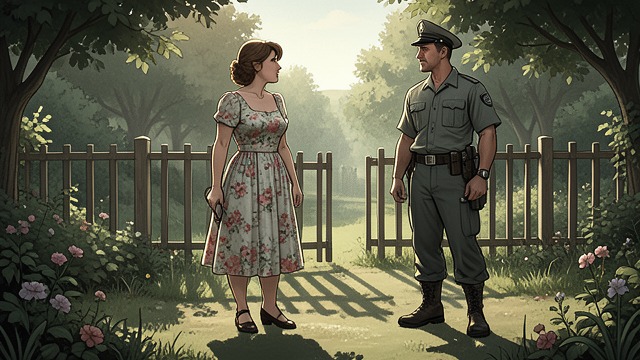
Connie approaches Mellors as the landowner’s wife, while he is a hired keeper whose private space lies within her husband’s estate. Their social positions shape even their earliest conversations.
Mellors resists being treated as a subordinate whose time and privacy belong to Wragby. Connie must recognize that her apparent freedom carries the force of her class.
Desire under constraint
Their attraction develops within this unequal arrangement, not outside it. The lovers must confront the fact that Connie can leave or return with money and status, while Mellors risks employment and reputation.
The difference makes tenderness politically charged. Each encounter carries the possibility that personal affection might reproduce the same power imbalance the lovers reject.
The Money Question
The Money Question
Connie’s resources
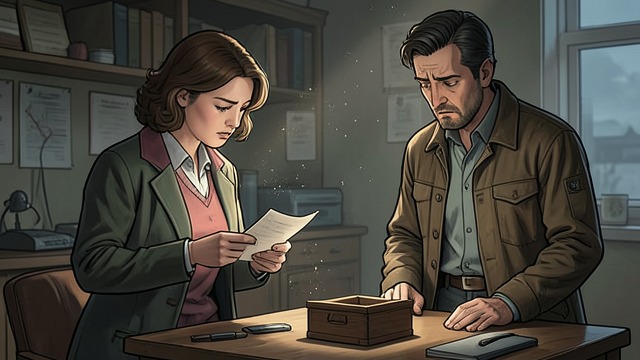
Connie has an independent income that could support a life away from Wragby. She offers it as a practical means of escaping Clifford and beginning again with Mellors.
Mellors does not dismiss the help, but fears becoming a dependent or a paid companion. His concern is not simply pride; he wants work and a purpose that can remain his own.
Refusing a transaction
Connie insists that their relationship is not a bargain. Mellors wants to know what he can offer beyond sexual access and what meaning his life will have if he joins hers.
Their conversation reveals affection as something that must coexist with material realities. The lovers do not solve the economic imbalance, but they begin to speak about it honestly.
Work as Shared Dignity
Work as Shared Dignity
Separate preparation
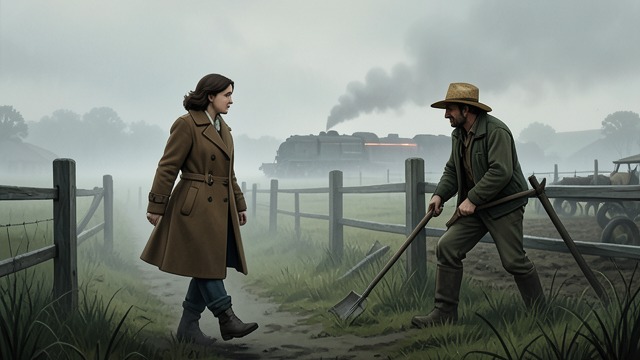
Connie goes to Scotland with Hilda, while Mellors takes work at Grange Farm. Their separation is meant to give him time to seek a divorce and learn farming.
The arrangement lets Mellors build a livelihood rather than rely solely on Connie’s money. It also makes clear that their future cannot depend on desire alone.
A relationship still in motion
Mellors’s letter describes work, economic hardship, and the continuing hope that he and Connie will live together. He treats labor as part of the dignity needed to share a life.
The novel ends before they can test the arrangement. Their bond has survived scandal and separation, but the balance between affection, independence, and practical support remains to be made.
When Connie first begins visiting Mellors in the wood
During the London conversation about living together
After both lovers leave Wragby
